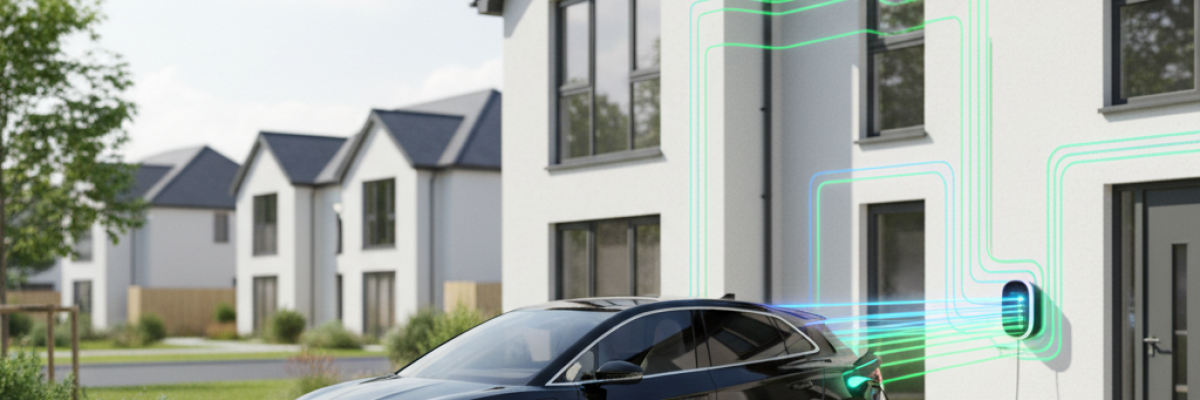

Welcome to 2026! By now, electric vehicles (EVs) are a common sight on UK roads, and the buzz around their environmental benefits and lower running costs is well-established. But what if your EV could do more than just get you from A to B? What if it could become a cornerstone of your home's energy system, a mobile battery, and even a revenue generator?
The future of home energy in the UK is here, and your electric car is at its heart. We're moving beyond simple EV charging; it's about seamless, intelligent integration that optimises your energy use, saves you money, and contributes to a more stable, greener national grid. Let's explore how to transform your EV into a smart home energy powerhouse.
The Rise of Vehicle-to-Grid (V2G) and Vehicle-to-Home (V2H)
The terms V2G (Vehicle-to-Grid) and V2H (Vehicle-to-Home) might sound futuristic, but in 2026, they are rapidly becoming a tangible reality for many UK homeowners. Simply put, these technologies allow your EV's battery to not only draw power from the grid but also to send it back. Think of your EV as a large, mobile battery pack, capable of storing significant amounts of energy.
- V2G (Vehicle-to-Grid): This enables your EV to export surplus electricity back to the national grid during peak demand times. This helps balance the grid, especially as the UK integrates more intermittent renewable energy sources like wind and solar. In return, you can be financially compensated for the energy you export.
- V2H (Vehicle-to-Home): With V2H, your EV can directly power your home. Imagine a power cut, and instead of fumbling for candles, your electric car seamlessly takes over, providing electricity to your essential appliances. It's also incredibly useful for optimising self-consumption of renewable energy generated by rooftop solar panels.
By 2026, a growing number of EV models and compatible charging solutions support these bidirectional energy flows, making them more accessible than ever before.
Why Smart EV Integration Matters for UK Homes in 2026
Integrating your EV into your smart home energy system offers a multitude of benefits, both personal and communal:
- Significant Cost Savings: This is arguably one of the biggest drivers. By leveraging smart tariffs and V2G/V2H capabilities, you can charge your EV when electricity prices are lowest (often overnight) and discharge power back to your home or the grid when prices are high. This arbitrage can lead to substantial savings on your energy bills and even generate income. Data from early adopters in the UK shows that smart charging and V2G can reduce annual EV charging costs by hundreds of pounds.
- Enhanced Grid Support and Resilience: The UK grid is undergoing a massive transformation towards decarbonisation. As more renewable energy comes online, the grid needs flexibility. Your EV, acting as a flexible energy storage unit, can help stabilise the grid by absorbing excess renewable energy and releasing it when needed. This reduces reliance on fossil fuel 'peaker' plants and contributes to a greener energy system.
- Increased Energy Independence: For homes with solar panels, V2H means you can store your excess solar generation in your EV battery rather than sending it to the grid at lower rates. You then use that stored energy to power your home later, maximising your self-sufficiency and reducing your reliance on grid electricity.
- Reduced Carbon Footprint: By optimising when and how your EV charges and discharges, you can ensure it's primarily using renewable energy. This amplifies the environmental benefits of owning an EV even further.
Practical Steps to Integrate Your EV into Your Smart Home
Ready to make your EV a truly smart energy asset? Here's how to get started in 2026:
Choose a V2G/V2H Compatible EV and Charger
Not all EVs or chargers currently support bidirectional power flow. When purchasing a new EV or upgrading your charging setup, look for models specifically advertised as V2G or V2H capable. Popular models like the Nissan Leaf have been early pioneers, and more manufacturers are rapidly adopting the necessary hardware (like the CCS connector for DC bidirectional charging). You'll also need a compatible smart charger, often referred to as a bidirectional charger or V2G charger.
Embrace a Smart Energy Tariff
To truly unlock these benefits, a smart energy tariff is essential. Providers like Octopus Energy offer dynamic tariffs (e.g., Agile, Flux) that pay you to export power to the grid or charge your car when electricity is cheapest. These tariffs dynamically adjust prices every 30 minutes, allowing you to capitalise on periods of high renewable generation or low demand. If you're considering making the switch to a smarter energy provider, you can even get a £50 credit when you sign up using this link for a bonus. It's a great way to kickstart your journey into smart home energy management.
Install a Home Energy Management System (HEMS)
While some smart chargers come with basic app control, a full HEMS can orchestrate your entire home's energy ecosystem. This system can communicate with your smart meter, solar panels, home battery storage (if you have it), and your EV charger to automatically make the most economical and sustainable energy decisions. It learns your consumption patterns and optimises charging/discharging schedules based on tariff prices, weather forecasts, and your personal preferences.
Seek Professional Installation and Advice
Given the complexity of high-power electrical installations and grid interaction, it's crucial to use certified professionals for installing your bidirectional charger and integrating it with your home's electrical system and HEMS. They can ensure safety, compliance with UK regulations, and optimal performance.
Future-Proofing Your Home Energy with Your EV
As we look further into the decade, the integration of EVs into home energy systems will only deepen. Expect more standardised protocols, even greater automation, and potentially new revenue streams from grid services. Your EV isn't just a vehicle; it's a dynamic, intelligent energy asset that can save you money, increase your energy resilience, and play a crucial role in the UK's journey to a sustainable energy future.
By taking these steps, you're not just adopting new technology; you're actively participating in the energy revolution. Your EV is ready to do more than drive; it's ready to power your home and your future.
Ready to unlock the full potential of your EV and smart home? Explore smart energy tariffs and make the switch today. Don't forget, if you sign up with a provider like Octopus Energy, you could be eligible for a £50 credit. It's a simple step towards a smarter, greener, and more cost-effective home energy future!
